
RabbitMQ的死信队列和延迟队列
RabbitMQ的死信队列和延迟队列
- 死信队列
- 什么是死信队列
- 什么条件才会转移到死信队列呢
- 怎么配置死信队列
- 死信队列有什么用呢?
- 延迟队列
- 什么是延迟队列呢
- 惰性队列
- 什么是惰性队列
- 怎么设置
- 有什么优点/缺点
- 总结
死信队列
什么是死信队列
简单来说,就是普通队列中的消息符合某个条件时,会交由另一个交换机转移到另一个队列,这个队列就是死信队列,负责转移的交换机就是死信交换机。
什么条件才会转移到死信队列呢
- 队列消息长度到达限制
- 消费者拒接消费信息
- 消息超时未被消费,分为两种,一种是消息自身设置的超时时间,另一种则是队列的超时时间。
怎么配置死信队列
package com.xiaow.fileserver.config;
import org.springframework.amqp.core.*;
import org.springframework.amqp.rabbit.connection.ConnectionFactory;
import org.springframework.amqp.rabbit.core.RabbitAdmin;
import org.springframework.context.annotation.Bean;
import org.springframework.context.annotation.Configuration;
@Configuration
public class RabbitMQConfig {
    @Bean
    public Queue normQueue() {
        return QueueBuilder.durable("normal_queue")
//              设置死信交换机
                .deadLetterExchange("DeadExchange")
//              设置死信队列路由键
                .deadLetterRoutingKey("timeout_routing")
                .build();
    }
    //  正常交换机
    @Bean
    DirectExchange normalExchange() {
        //  return new DirectExchange("TestDirectExchange",true,true);
        return new DirectExchange("NormalExchange", true, false);
    }
    //绑定常规队列
    @Bean
    Binding bindingNormal() {
        return BindingBuilder.bind(normQueue()).to(normalExchange()).with("normal_routing");
    }
    //  死信队列
    @Bean
    public Queue dQueue() {
        return QueueBuilder.durable("d_queue")
                .build();
    }
    //  死信交换机
    @Bean
    DirectExchange DeadExchange() {
        //  return new DirectExchange("TestDirectExchange",true,true);
        return new DirectExchange("DeadExchange", true, false);
    }
    //  死信队列与死信交换机绑定
    @Bean
    Binding bindingD() {
        return BindingBuilder.bind(dQueue()).to(DeadExchange()).with("timeout_routing");
    }
}
死信队列有什么用呢?
以淘宝下订单为例,用户下订单时我们可以发送一个消息到队列中,并设置超时时间,当超过了超时时间用户仍未付款,则删除该订单。
模拟一下,这里我们写一下发送消息的接口和接收消息的Recevier
发送消息的接口
 @GetMapping("testmq")
    public Result testmq(){
        String orderId = String.valueOf(UUID.randomUUID());
        String messageData = "下订单!";
        String createTime = LocalDateTime.now().format(DateTimeFormatter.ofPattern("yyyy-MM-dd HH:mm:ss"));
        Map map=new HashMap();
        map.put("orderId",orderId);
        map.put("messageData",messageData);
        map.put("createTime",createTime);
        rabbitTemplate.convertAndSend("NormalExchange", "normal_routing", map,message -> {
            MessageProperties messageProperties = message.getMessageProperties();
            // 设置过期时间
            messageProperties.setExpiration("5000");
            return message;
        });
        return Result.succ("ok");
    }
接收消息的Recevier
@Component
@RabbitListener(queues = "d_queue")
public class DReceiver {
    @RabbitHandler
    public void process(Map testMessage) {
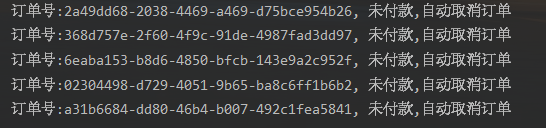
        System.out.println("订单号:" + testMessage.get("orderId") + ", 未付款,自动取消订单");
    }
}
然后你就可以看到
延迟队列
什么是延迟队列呢
顾名思义,也就是说消息到了队列之后不会立刻被处理,会等到指定时间之后才进行处理。
是不是有点眼熟?
咱们刚才利用死信队列做的事不就是这样吗!
当消息到达5秒之后,才进行删除订单操作。
死信队列结合过期时间也就实现了延迟队列。
惰性队列
什么是惰性队列
遇到消息堆积问题,会导致内存占用过大,因此有了惰性队列。
- 接收到消息后直接存入磁盘而非内存
- 消费者要消费消息时才会从磁盘中读取并加载到内存
- 支持数百万条的消息存储
怎么设置
  @Bean
    public Queue lazyQueue() {
        return QueueBuilder.durable("lazyQueue")
                .lazy()
                .build();
    }
有什么优点/缺点
存储到磁盘,第一个优点就是信息存储量更大了。但磁盘和内存之间的速度差异导致其效率有所降低。
总结
简单记录一下,欢迎大家指正。
免责声明:我们致力于保护作者版权,注重分享,被刊用文章因无法核实真实出处,未能及时与作者取得联系,或有版权异议的,请联系管理员,我们会立即处理! 部分文章是来自自研大数据AI进行生成,内容摘自(百度百科,百度知道,头条百科,中国民法典,刑法,牛津词典,新华词典,汉语词典,国家院校,科普平台)等数据,内容仅供学习参考,不准确地方联系删除处理! 图片声明:本站部分配图来自人工智能系统AI生成,觅知网授权图片,PxHere摄影无版权图库和百度,360,搜狗等多加搜索引擎自动关键词搜索配图,如有侵权的图片,请第一时间联系我们,邮箱:ciyunidc@ciyunshuju.com。本站只作为美观性配图使用,无任何非法侵犯第三方意图,一切解释权归图片著作权方,本站不承担任何责任。如有恶意碰瓷者,必当奉陪到底严惩不贷!


