
基本设计模式
温馨提示:这篇文章已超过377天没有更新,请注意相关的内容是否还可用!
- 单例模式
ES5
function Duck1(name:string){
    this.name=name
    this.instance=null
}
Duck1.prototype.getName=function(){
    console.log(this.name)
}
Duck1.getInstance=function(name:string){
    if(!this.instance){
        this.instance= new Duck1(name)
    }
}
const a=Duck1.getInstance('a')
const b=Duck1.getInstance('b')
console.log(a===b) // true
ES6
class Duck{ name="xxx" static instance:any=null action(){ console.log('123') } static getInstance(){ if(!this.instance){ this.instance=new Duck() } return this.instance } } const obj1=Duck.getInstance() const obj2=Duck.getInstance() console.log(obj1===obj2) // true- 工厂模式
class Duck{ name="xxx" constructor(name:string){ this.name=name } } function factory(name:string){ return new Duck(name) } const a=factory('x') const b=factory('s')- 策略模式
代码里有多个if的情况时,做成策略模式,好处:
策略模式利用组合,委托等技术和思想,有效的避免很多if条件语句
策略模式提供了开放-封闭原则,使代码更容易理解和扩展
策略模式中的代码可以复用
策略模式优化的例子
`
- 代理模式
class Duck{

    name="xxx"
    constructor(name:string){
        this.name=name
    }
    getName(){
        console.log('name: ',this.name)
    }
    setName(newValue:string){
        this.name=newValue
    }
}
const tp=new Duck('a')
const obj = new Proxy(tp,{
    set:function(target,property,value){
        return Reflect.set(target,property,'new:'+value)
    },
    get(target,property){
        if(property==='getName'){
            return function(value:String){
                 Reflect.get(target,property,'new:'+value)
            }
        }
        return Reflect.get(target,property)
    }
})
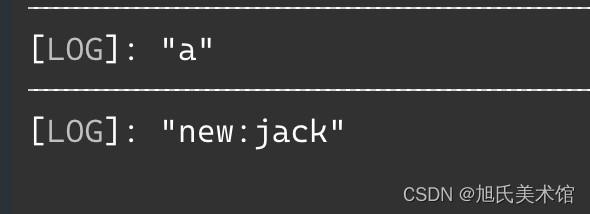
console.log(obj.name)
obj.setName('jack')
console.log(obj.name)
输出:
- 策略模式
- 工厂模式
免责声明:我们致力于保护作者版权,注重分享,被刊用文章因无法核实真实出处,未能及时与作者取得联系,或有版权异议的,请联系管理员,我们会立即处理! 部分文章是来自自研大数据AI进行生成,内容摘自(百度百科,百度知道,头条百科,中国民法典,刑法,牛津词典,新华词典,汉语词典,国家院校,科普平台)等数据,内容仅供学习参考,不准确地方联系删除处理! 图片声明:本站部分配图来自人工智能系统AI生成,觅知网授权图片,PxHere摄影无版权图库和百度,360,搜狗等多加搜索引擎自动关键词搜索配图,如有侵权的图片,请第一时间联系我们,邮箱:ciyunidc@ciyunshuju.com。本站只作为美观性配图使用,无任何非法侵犯第三方意图,一切解释权归图片著作权方,本站不承担任何责任。如有恶意碰瓷者,必当奉陪到底严惩不贷!


